
Elevate Your Procurement Ecosystem
A Program consisting up to three (3) phases to provide the approach to review and Baseline an Organisation’s current Procurement Ecosystem, identify tangible activities that would benefit the Organisation, schedule and implement the activities to enhance the Procurement Ecosystem and therefore provide the Organisation with an updated and sustainable Baseline.
Current State Assessment
- Data gathering and analysis
- Acceptance of current state
- Benchmarking against industry & in line with business strategy
- Detailed recommendations/ activities
Transition
- Prioritisation of change initiatives
- Phased program implementation
- Capture Return on Invest (ROI)
Business as Usual (BAU)
- New ‘Current State’ baseline
- Transition to BAU resources & processes with continuous improvement
- Tangible/intangible benefits (ROI) realisation
The purpose of the Procurement Excellence 360 phases is to:
Current State Assessment
- Capture the Current State.
- Analyse the Data.
- Formulate the Future State Operating Model.
- Capture the recommendations and activities to enable the Future Operating Model to be
implemented.
Transition
- Obtain the supporting approvals to support the above recommendations.
- Undertake a phased implementation approach.
- Communicate the outcomes and measure the Return on Investment (ROI), as defined in ‘Current State Assessment.’
Business as Usual (BAU)
- Implement all changes into ‘BAU’ – Business As Usual.
- Track and measure the outcome of the changes as per the earlier analysis.
- Continue to ‘Own’ the Methodology moving forward.
Procurement Excellence 360 – Service Categories
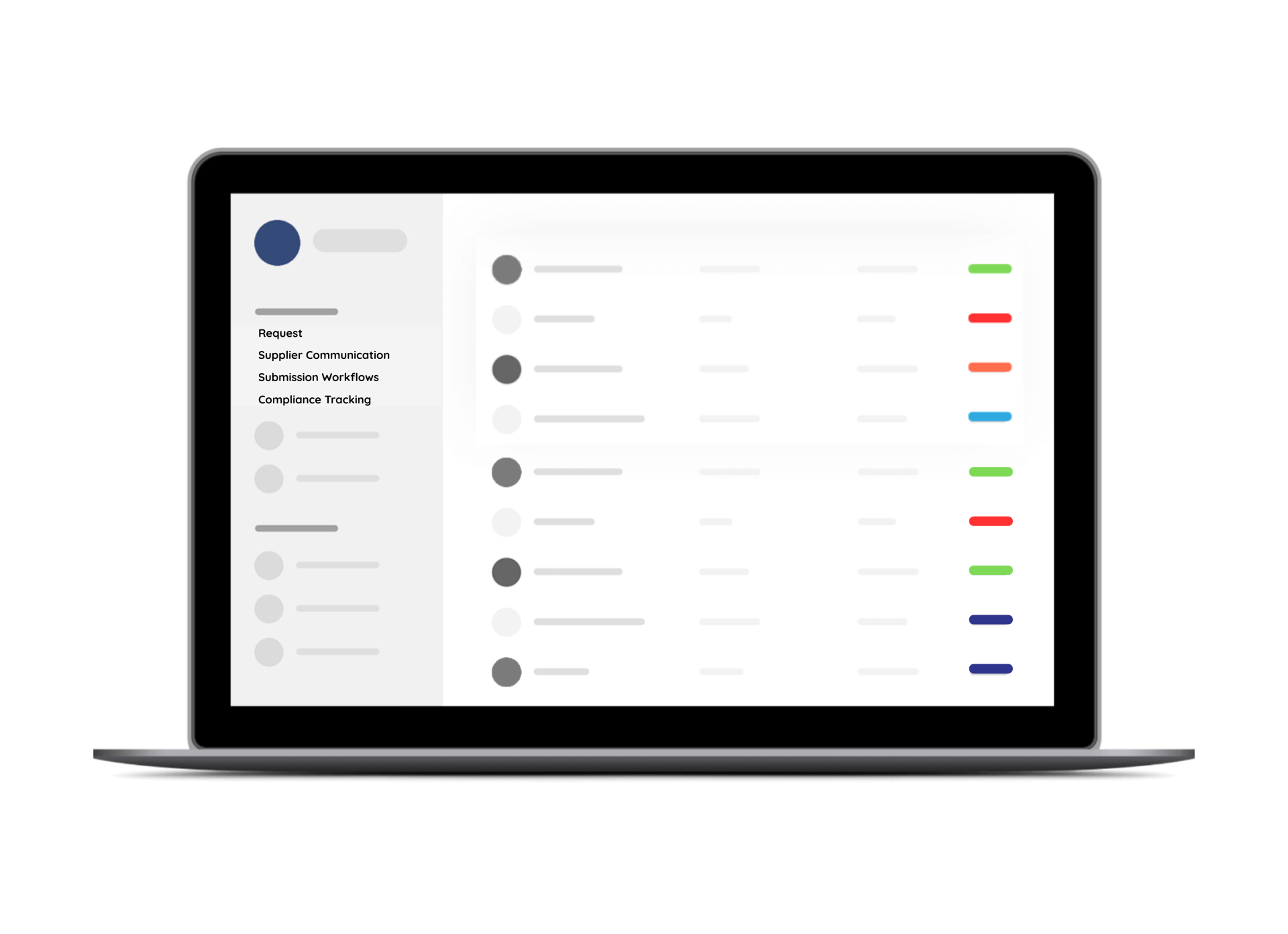
The complete set of service categories supported by GoSourcing and our team of experienced specialists under our Program framework are listed in the table below.
A client questionnaire and follow up discussions ensure that the final scope of work is tailored to meet our client’s specific needs. Prior to the project initiation the client and GoSourcing sign off on the scope of Phase 1 and the organisations key objectives.

Licence Management

Sourcing Strategy

Vendor Management

Financial Management

Contractual

Approach to Market

Partner Ecosystem

Resilience
Procure with Confidence
Partner with trusted suppliers—managed and supported in one streamlined process.
Licence Management
Involves the effective management and oversight of software licences to ensure compliance, cost-effectiveness, and optimal utilisation across the organisation.
Sourcing Strategy
Focuses on developing strategies for acquiring technology resources, considering factors such as cost, quality, and efficiency to meet the organisation’s needs.
Vendor Management
Encompasses the establishment and maintenance of relationships with vendors. Involves creating frameworks, agreements, and Service Level Agreements (SLAs), and managing vendor relationships for optimal performance.
Financial Management
Involves the development of financial frameworks, budgeting for procurement activities, and tracking financial expenditures to ensure cost-effectiveness and adherence to financial plans.
Contractual
Encompasses the lifecycle of contracts, including their creation, regular reviews, amendments as needed, and mitigation of risks associated with contractual agreements.
Licence Management
Involves the effective management and oversight of software licences to ensure compliance, cost-effectiveness, and optimal utilisation across the organisation.

Sourcing Strategy
Focuses on developing strategies for acquiring technology resources, considering factors such as cost, quality, and efficiency to meet the organisation’s needs.

Vendor Management
Encompasses the establishment and maintenance of relationships with vendors. Involves creating frameworks, agreements, and Service Level Agreements (SLAs), and managing vendor relationships for optimal performance.

Financial Management
Involves the development of financial frameworks, budgeting for procurement activities, and tracking financial expenditures to ensure cost-effectiveness and adherence to financial plans.
Contractual
Encompasses the lifecycle of contracts, including their creation, regular reviews, amendments as needed, and mitigation of risks associated with contractual agreements.

Approach to Market
Incorporates RFI’s, RFQ’s, RFT’s. Release Documentation To Market, Create / Amend Document Templates.

GoSourcing is a Reseller & Implementation Partner for:

Risk and Compliance
Manages risks and ensures compliance with regulations and standards. The business aspect focuses on overall organisational risks, while the technology aspect addresses risks related to IT systems and infrastructure.
Business Continuity
Involves planning for and sustaining critical business operations during disruptions. Creation involves developing continuity plans, reviews ensure relevance, and execution ensures effective implementation during adverse events.
Disaster Recovery
Focuses on restoring IT systems and data after a disaster. Creation involves developing recovery plans, reviews ensure currency, and execution ensures the swift recovery of IT functions.
Work, Health and Safety
Addresses workplace safety and health. Reviews assess and enhance existing safety measures, while creation involves developing policies and procedures to maintain a safe working environment.